Hands-On Learning: Tailored Curriculum for Every Child

In today's educational landscape, one size does not fit all. Each child is unique, with distinct learning styles, interests, and paces. This reality has led to a growing emphasis on hands-on learning and tailored curricula that cater to individual needs. By focusing on experiential learning, educators can foster a more engaging and effective educational environment. This blog post explores the importance of hands-on learning, the benefits of a tailored curriculum, and practical strategies for implementation.
Understanding Hands-On Learning
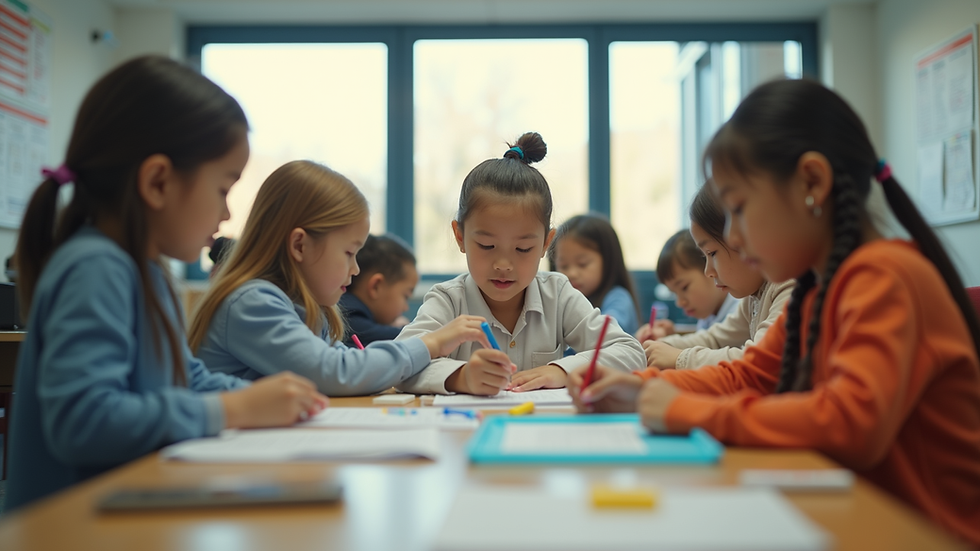
Hands-on learning, also known as experiential learning, involves engaging students in active participation rather than passive observation. This approach allows children to explore concepts through direct experience, making learning more meaningful and memorable.
Key Principles of Hands-On Learning
Active Engagement: Students participate actively in their learning process, which enhances retention and understanding.
Real-World Connections: Learning is connected to real-life situations, making it relevant and applicable.
Collaboration: Hands-on activities often involve teamwork, fostering social skills and cooperation among students.
Reflection: Students reflect on their experiences, helping them to internalize lessons and develop critical thinking skills.
The Importance of a Tailored Curriculum
A tailored curriculum recognizes that each child has unique strengths, weaknesses, and interests. By customizing educational experiences, educators can better meet the diverse needs of their students.
Benefits of a Tailored Curriculum
Increased Engagement: When students learn in ways that resonate with them, they are more likely to be engaged and motivated.
Improved Learning Outcomes: Tailored approaches can lead to better academic performance as students grasp concepts more effectively.
Enhanced Confidence: Personalized learning helps students build confidence in their abilities, encouraging them to take risks and explore new ideas.
Support for Diverse Learners: A tailored curriculum can accommodate various learning styles, including visual, auditory, and kinesthetic learners.
Implementing Hands-On Learning and Tailored Curriculum
To create an effective hands-on learning environment with a tailored curriculum, educators can adopt several strategies:
1. Assess Individual Learning Styles
Understanding each child's learning style is crucial for tailoring the curriculum. Educators can use assessments, observations, and discussions with students to identify their preferences.
2. Incorporate Project-Based Learning
Project-based learning (PBL) allows students to engage in real-world projects that require critical thinking, collaboration, and creativity. By working on projects that interest them, students can apply their knowledge in practical ways.
3. Use Flexible Grouping
Flexible grouping allows students to work with peers who share similar interests or learning styles. This approach fosters collaboration and encourages students to learn from one another.
4. Provide Choice and Autonomy
Giving students choices in their learning can significantly enhance engagement. Allowing them to select topics, projects, or methods of assessment empowers them to take ownership of their education.
5. Integrate Technology
Technology can enhance hands-on learning experiences. Tools such as interactive simulations, educational apps, and online resources can provide students with opportunities to explore concepts in depth.
6. Foster a Growth Mindset
Encouraging a growth mindset helps students understand that abilities can be developed through dedication and hard work. This mindset promotes resilience and a love for learning.
Real-Life Examples of Hands-On Learning
Science Experiments
In a science class, students can conduct experiments to learn about chemical reactions. Instead of reading about reactions in a textbook, they can mix substances and observe the results firsthand. This hands-on approach not only makes the lesson more engaging but also reinforces scientific concepts through direct experience.
Art Projects
In an art class, students can explore different mediums and techniques. By allowing them to create their own projects based on personal interests, educators can foster creativity and self-expression. For example, a student interested in nature might create a sculpture using recycled materials found outdoors.
Community Service Projects
Engaging students in community service projects can provide valuable hands-on learning experiences. For instance, students can participate in a local clean-up initiative, learning about environmental stewardship while making a positive impact in their community.
Challenges and Solutions
While implementing hands-on learning and tailored curricula can be highly beneficial, challenges may arise. Here are some common obstacles and potential solutions:
Challenge: Limited Resources
Many schools face budget constraints that limit access to materials and technology for hands-on learning.
Solution: Educators can seek community partnerships, grants, or donations to acquire necessary resources. Additionally, they can utilize low-cost or recycled materials for projects.
Challenge: Time Constraints
Curriculum standards and testing schedules can restrict the time available for hands-on activities.
Solution: Educators can integrate hands-on learning into existing subjects. For example, math lessons can include real-world applications, such as budgeting for a class event.
Challenge: Diverse Learning Needs
Meeting the needs of all students can be challenging, especially in a diverse classroom.
Solution: Differentiation is key. Educators can provide various options for assignments and projects, allowing students to choose tasks that align with their strengths and interests.
The Role of Parents and Community
Parents and the community play a vital role in supporting hands-on learning and tailored curricula. Here are ways they can contribute:
1. Encourage Exploration
Parents can foster a love for learning by encouraging their children to explore new interests outside of school. This might include visiting museums, participating in workshops, or engaging in outdoor activities.
2. Volunteer in the Classroom
Community members can volunteer to assist with hands-on projects, bringing their expertise and experiences into the classroom. This collaboration enriches the learning environment and provides students with diverse perspectives.
3. Advocate for Educational Change
Parents can advocate for educational policies that support hands-on learning and tailored curricula. By voicing their support, they can help create a more flexible and responsive educational system.
Conclusion
Hands-on learning and tailored curricula are essential components of modern education. By recognizing the unique needs of each child and providing engaging, experiential learning opportunities, educators can foster a love for learning that lasts a lifetime. As we move forward, it is crucial to continue advocating for educational practices that prioritize individual growth and development.
By embracing these approaches, we can create a more inclusive and effective educational environment that prepares every child for success. The journey toward personalized education is ongoing, and it requires collaboration among educators, parents, and the community. Together, we can ensure that every child receives the education they deserve.

Comments